
What changed — and what the evidence tells us
Independent evaluations of IDF's work provide evidence of changes in farming practices, economic participation, financial inclusion and community participation.
97%
Natural farming adoption at endline
90% to 97%
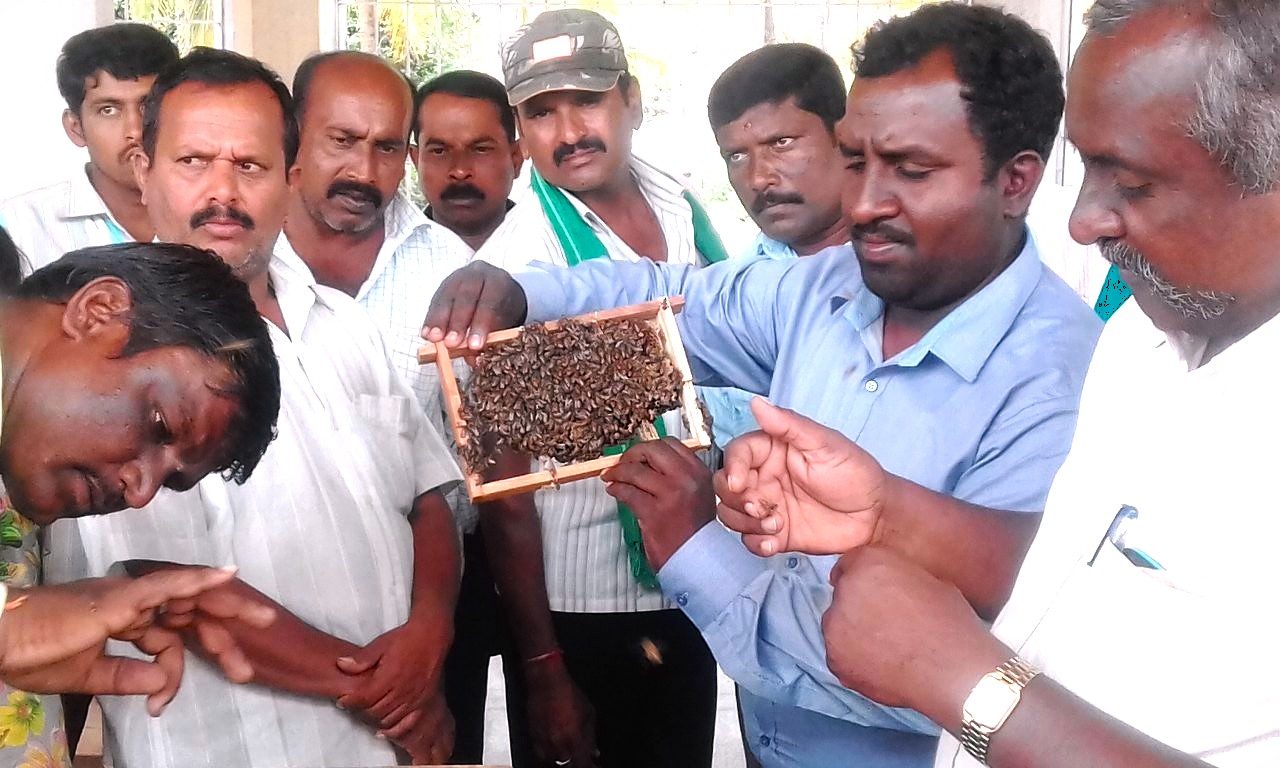
The qualitative evaluation found that farmers often moved from observing → trying → adopting → sharing, with demonstrations, peer learning and repeated field support helping turn knowledge into practice.
Among farmers who had stopped or reduced chemical-input use:
41% versus 22%
Farmers growing multiple crops
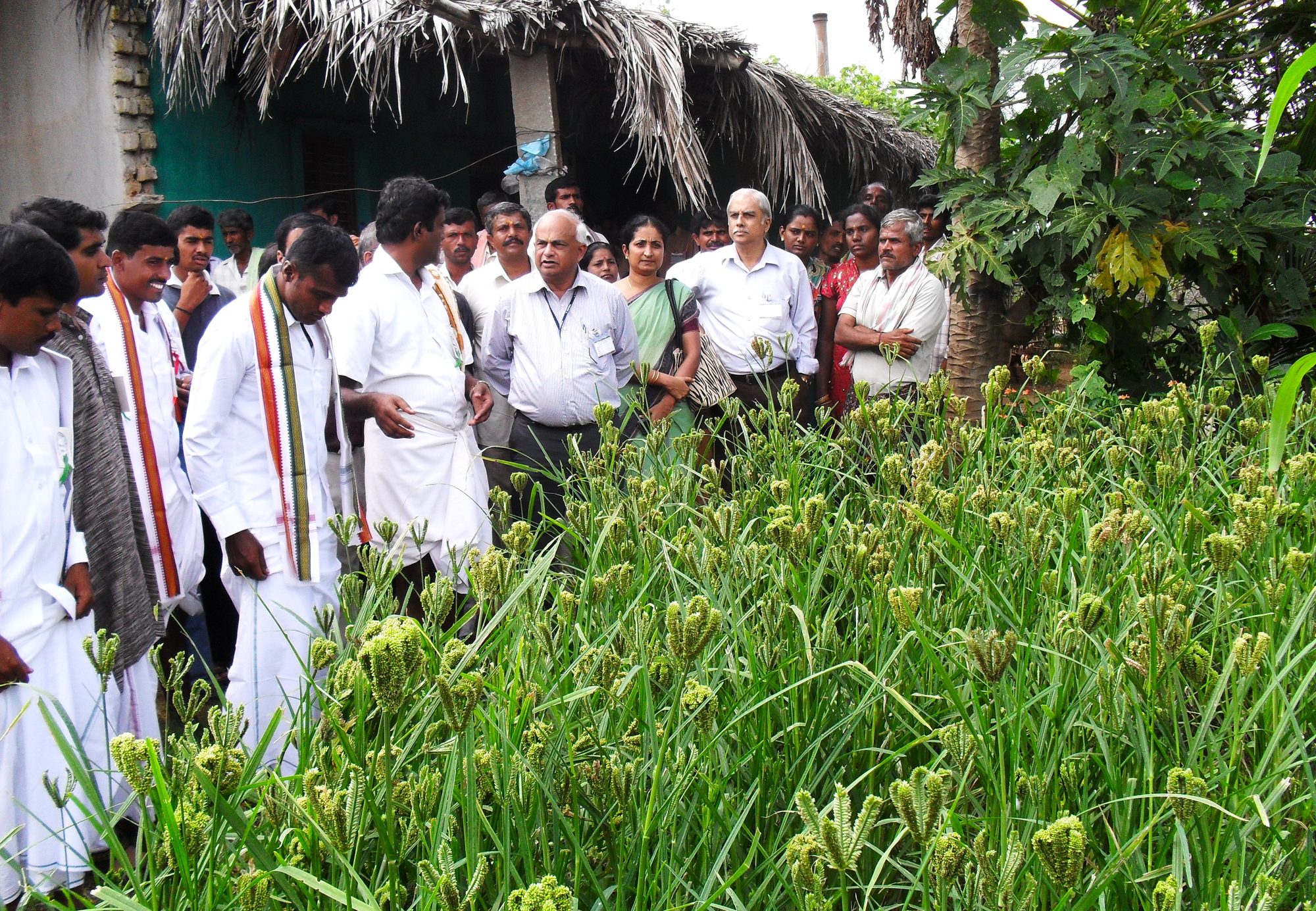
At endline, farmers participating in horticulture or legume-intercropping activities were approximately twice as likely to grow multiple crops as non-participants.
The evaluation also recorded a clear shift from chemical fertilisers towards organic fertilisers, while noting that adoption of individual natural-farming practices remained uneven.
Independent evaluation: MPRS Research Services
60% to 87%
Farmers reporting FPO membership
FPO membership increased substantially between the two survey waves, with very few reported departures.
The evaluation also found that FPO engagement was high, while participation in active governance remained more moderate.
Independent evaluation: MPRS Research Services45% to 8%
Households dependent on moneylenders
2009 → 2013Alongside:
2,060 groups and 28,838 members were credit-linked during the period.
Independent assessment: Institute for Social and Economic Change (ISEC)The Evidence Behind the Numbers
MPRS Research Services
Three-part evaluation of IDF's Sustainable Agriculture & Value Chain Development Project, combining qualitative field research with quantitative survey waves.
Institute for Social and Economic Change (ISEC)
Independent assessment of IDF's Sujeevana financial inclusion and livelihood programme.
From access to capability. From capability to action.
Across different programmes, the evidence points to a development pathway in which people gain access, build capability, act on new opportunities and participate more actively in the economic institutions around them.