What change looks like in people's lives

The numbers tell one part of the story. These experiences show how change unfolded for individual farmers, women entrepreneurs, artisans and rural enterprises — often through a combination of knowledge, finance, enterprise, markets and collective action.

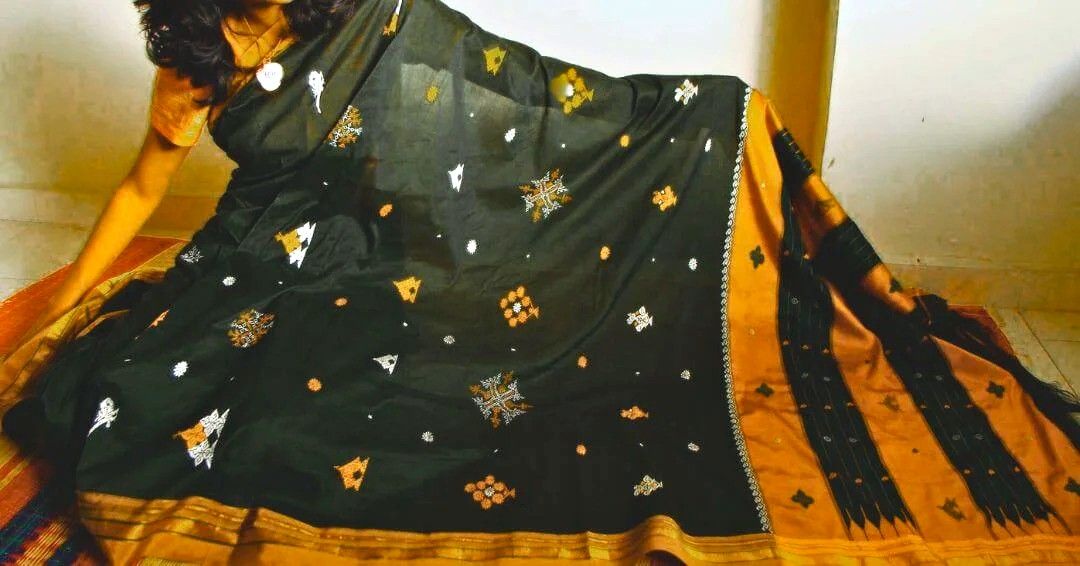
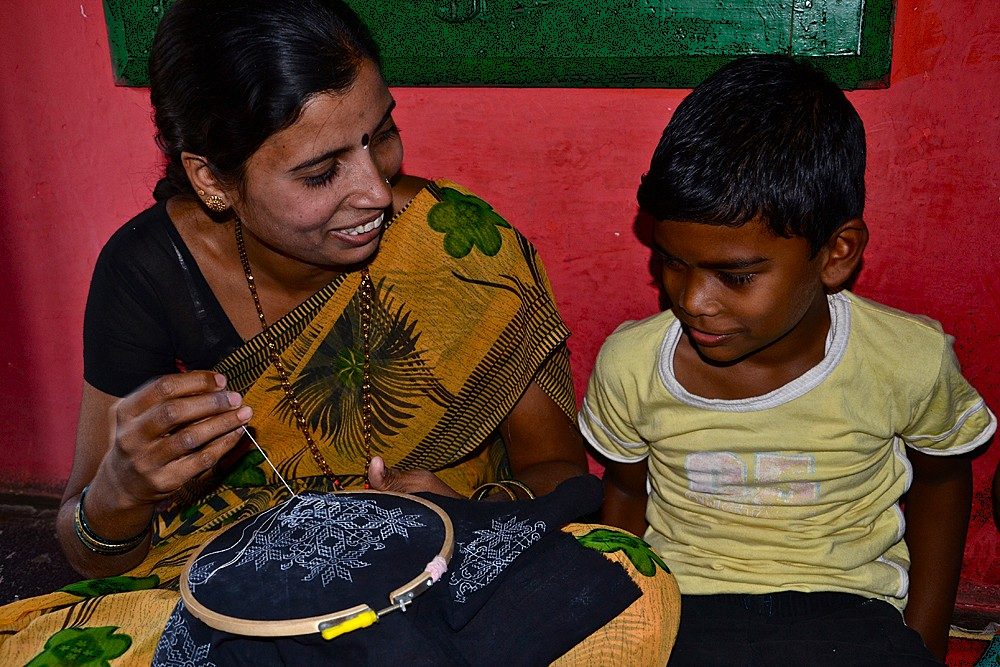
A woman and child at kasuti embroidery
Nandaraju
Photograph: IDF field team, 2026
01 — Making a Farm More Resilient

Nandaraju

₹10,000/mohousehold income (2 cows + 5 acres)

The change did not come from one intervention. Finance, livestock, irrigation and better farming practices gradually came together to make the household less dependent on a single source.

Read the full story

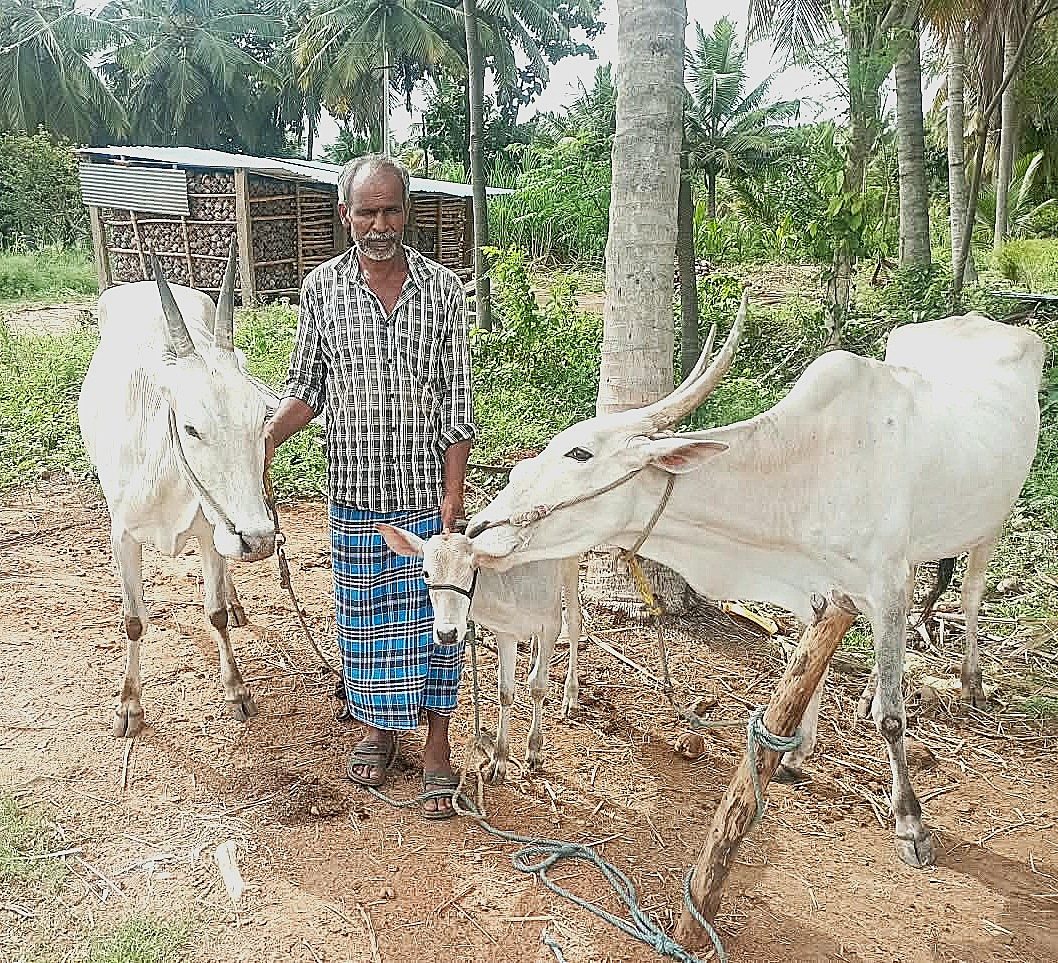
Nandaraju, from Yadavani Gram Panchayat in Amruthur hobli, depended entirely on agriculture on his five acres. Erratic monsoons made farming increasingly uncertain.

After joining a group in 2009, he began adopting sustainable agriculture practices promoted through the Sujeevana programme. His first credit linkage helped him purchase a cow. A second linkage enabled him to purchase another cow. Later, he used credit to improve his land, including a borewell and sprinkler and drip irrigation.

He also participated in Farmer Field Schools and became known locally for his sugarcane cultivation.

Income from his two cows and five acres of cultivation reached approximately ₹10,000 a month.
02 — When Training Became Independence

Mehaboob Jan

₹500/dayaverage earnings, beauty parlour enterprise

Training helped her identify an opportunity. Finance helped her act on it. The enterprise became her own.

Read the full story

Mehaboob Jan lived in Chilakalanerpu village in Chintamani taluk. Before starting her enterprise, she earned around ₹500 a month by teaching small children.

Her mother was an SHG member under the Sujala programme and had been selected for income-generating-activity training. Because of her mother's age, Mehaboob participated in her place.

She completed entrepreneurship and skill-development training and chose to establish a beauty parlour. With a ₹20,000 SHG loan and ₹5,000 of her own savings, she opened a small shop at Chelur.

The IDF Annual Report recorded average earnings of around ₹500 a day, with approximately ₹8,000 saved each month after expenses.

Srinivas
Photograph: IDF field team, 2026
03 — From Agricultural Labour to Enterprise

Srinivas

₹15,000–20,000/momonthly income, poultry-feed enterprise

Enterprise did not replace agriculture. It added another source of economic activity to the household.

Read the full story

Before joining the Annapurneshwari JLG in 2011, Srinivas cultivated four acres and also worked as an agricultural labourer to make ends meet.

Two subsequent credit linkages helped him take a different path.

He started a poultry-feed business and eventually established a small manufacturing unit using maize as the main ingredient. He also planned to expand the business through branding and packaging.

At the same time, he continued farming and adopted sustainable agricultural practices on his own land, including sugarcane cultivation.

His monthly income eventually reached approximately ₹15,000–₹20,000.

Sakhi Saphalya
Sakhi Saphalya
04 — From Traditional Skill to Collective Ownership

Sakhi Saphalya

98 artisansemployed, 2015–16

The productive asset here was not land. It was skill — strengthened through product development, markets and collective enterprise.

Read the full story

Kasuti embroidery is a traditional skill of Dharwad. By the time IDF began working with artisans around 2010, the craft was losing economic relevance.

The challenge was not simply to preserve the embroidery. It was to make the skill economically useful to the women who possessed it.

Through Kaikraft, IDF worked with artisans to develop contemporary products incorporating Kasuti and helped connect them with markets.

By 2015–16, the initiative had generated employment for 98 artisans, with another 24 working on consignment. Turnover was approximately ₹14 lakh, while artisans were reported to earn ₹3,500–₹6,000 a month.

The initiative gradually evolved into Sakhi Saphalya Crafts Producer Company, creating a pathway through which trained artisans could become producers and, ultimately, shareholders in an enterprise.

Manjula
Photograph: IDF field team, 2026
05 — When Two Groups Strengthened One Family Enterprise

Manjula

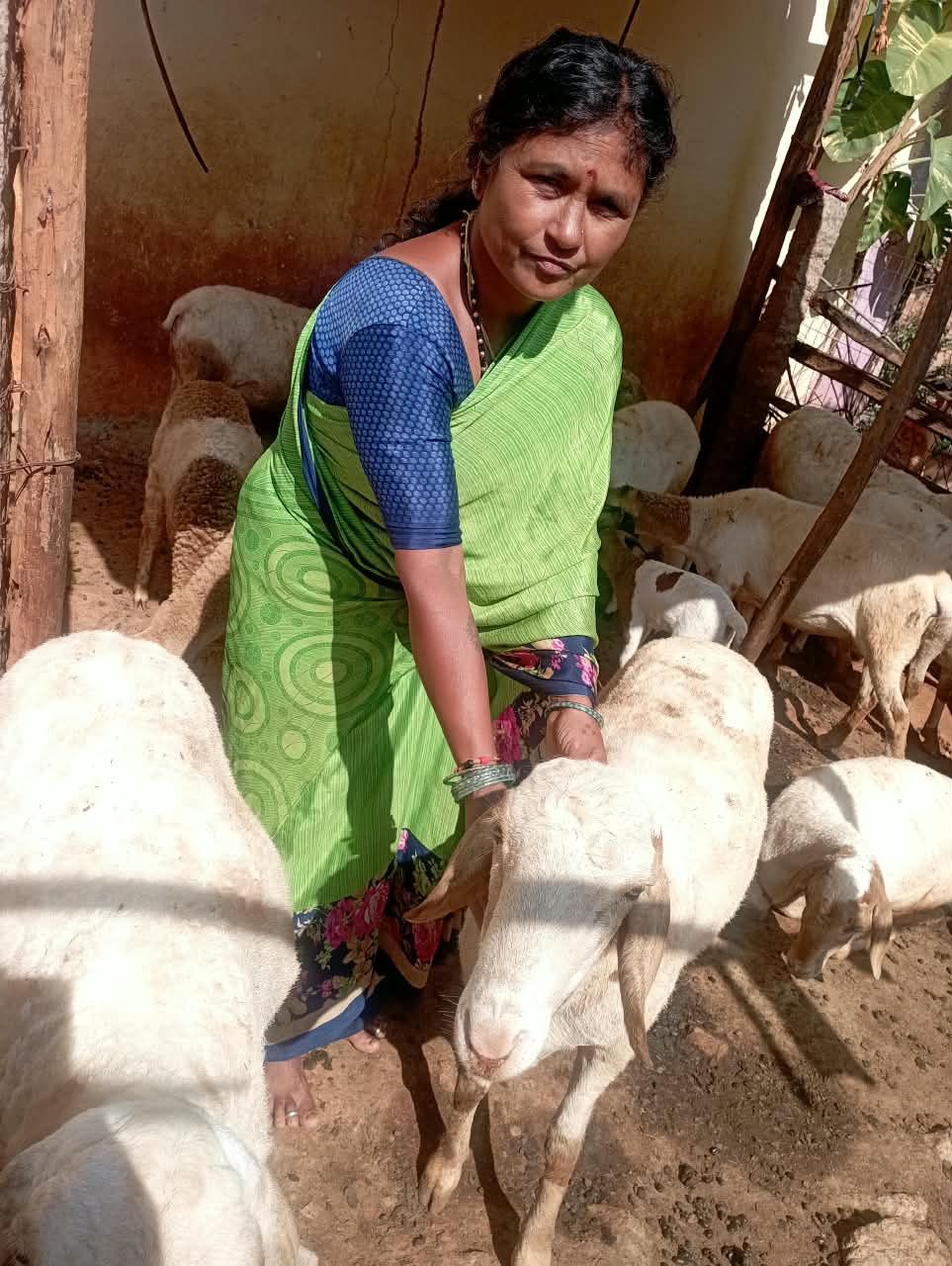
50 sheepgrown from an initial flock of 2

The support did not create a livelihood from scratch. It helped an existing capability grow beyond its previous limits.

Read the full story

Manjula was a member of an SHG while her husband was a member of a JLG in Kodipalya village.

Their participation in two different community institutions gave the household access to a higher level of credit. They used the finance to purchase sheep.

The first linkage of ₹10,000 enabled them to buy two sheep. Subsequent SHG and JLG linkages allowed them to expand the flock.

Over time, the flock grew to 50 sheep.

There was another important element. Manjula's husband was already a sheep trader. The household therefore brought together finance, livestock and existing market knowledge.

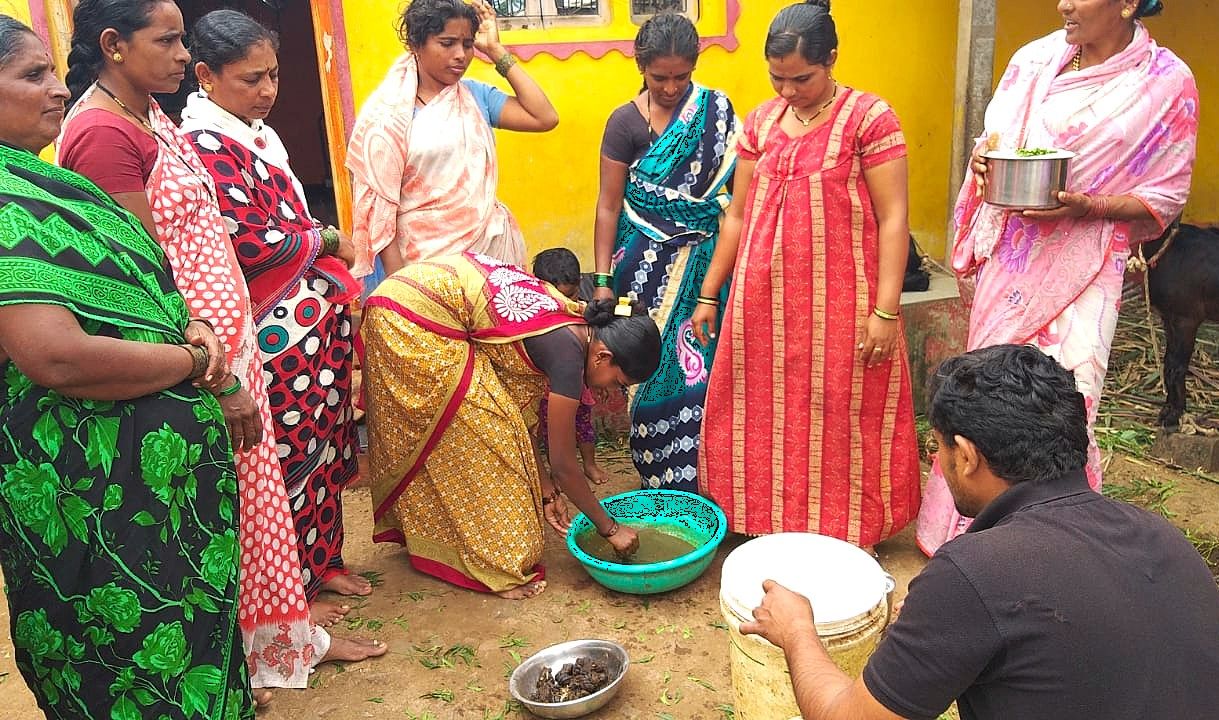
Women farmers preparing organic liquid manure
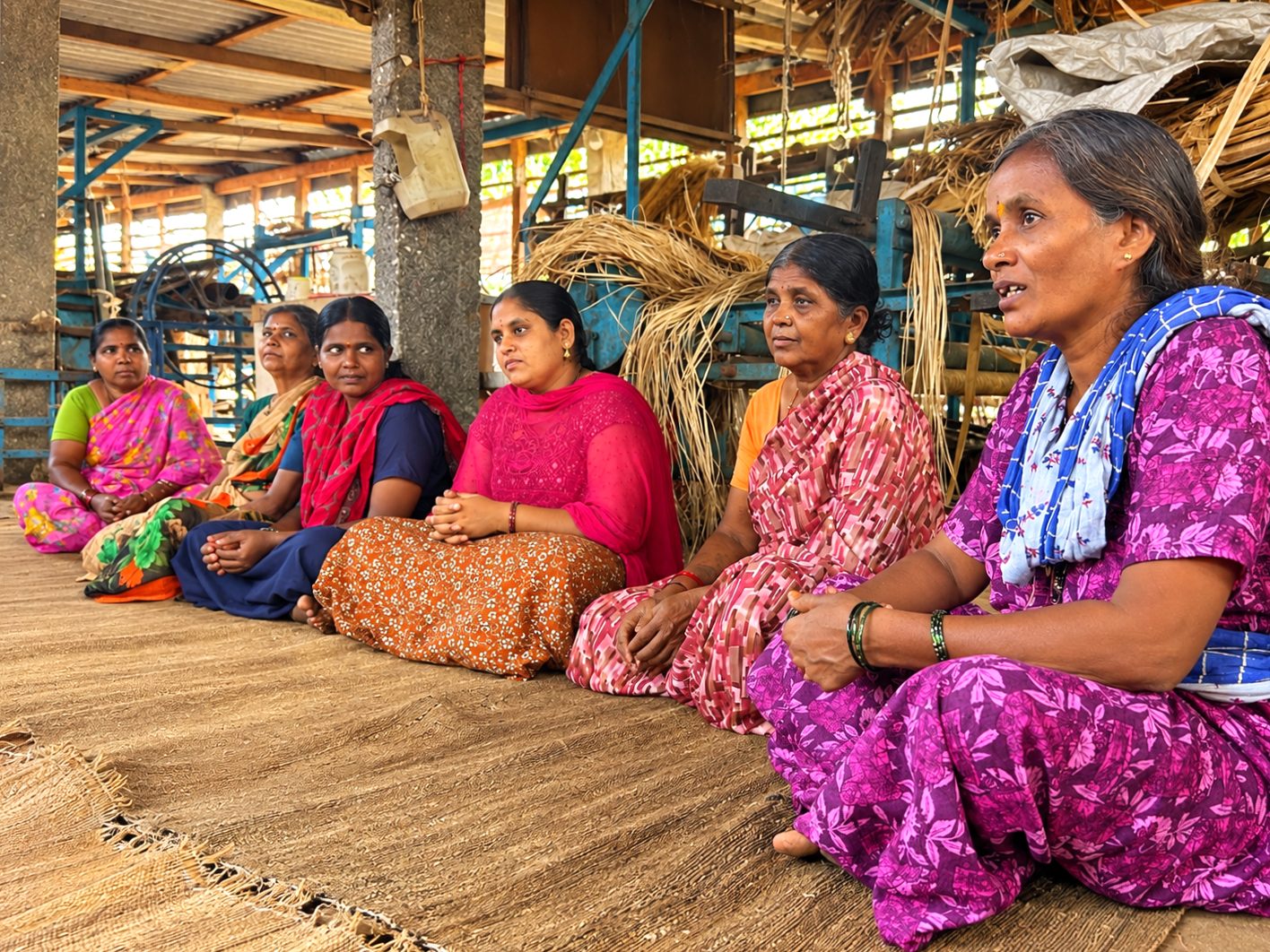
Women artisans sharing experience on banana natural fibre craft
Sujeevana FPC
Sujeevana FPC
From Farmers to Shareholders

Becoming Collective Economic Actors

482 shareholdersSujeevana FPC, by 2016–17

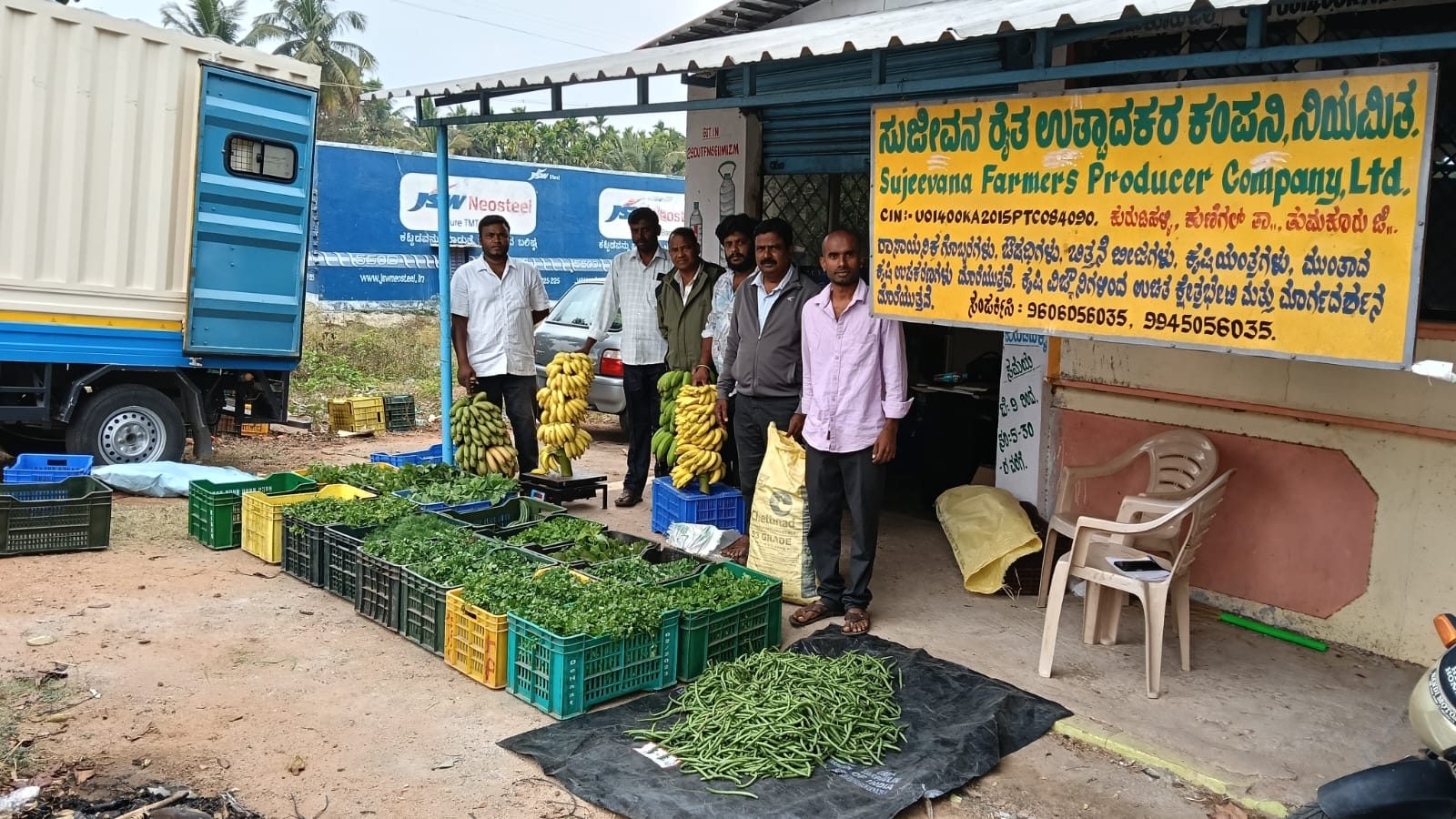
An important shift in IDF's work with farmers came when farmers were no longer viewed only as participants in a development programme, but increasingly as shareholders in economic institutions.

Farmer Producer Companies gave farmers a structure through which they could collectively buy inputs, aggregate produce, explore markets and undertake value addition.

One early example was Sujeevana Farmers Producer Company. By 2016–17 it had 482 shareholders. Input sales were reported at 10–15% below prevailing rates, alongside improved farmer realisations through better weighing and handling practices.

But the deeper journey is not simply:

Farmer → Shareholder

It is:

Participation → Business → Economic Ownership

An FPO becomes meaningful when ownership is translated into participation, business and economic value.

Different journeys. A common thread.

A first step rarely changes a livelihood on its own.

  1. Knowledge can open a possibility.

  2. Finance can make action possible.

  3. Enterprise can create value.

  4. Collective institutions can create scale.

  5. Markets can turn capability into opportunity.

What matters is how these pieces come together in the lives of people.