
Livelihoods must change with them
Rural livelihoods are becoming more complex.
Agriculture faces increasing pressure from climate variability, rising input costs, changing markets and resource constraints. At the same time, technology is opening new possibilities, while rural households are making more diverse economic choices and younger people are seeking different opportunities.
For farmers and rural households, these changes rarely occur in isolation. Farm economics, access to finance, knowledge, technology, enterprise and markets are increasingly interconnected.
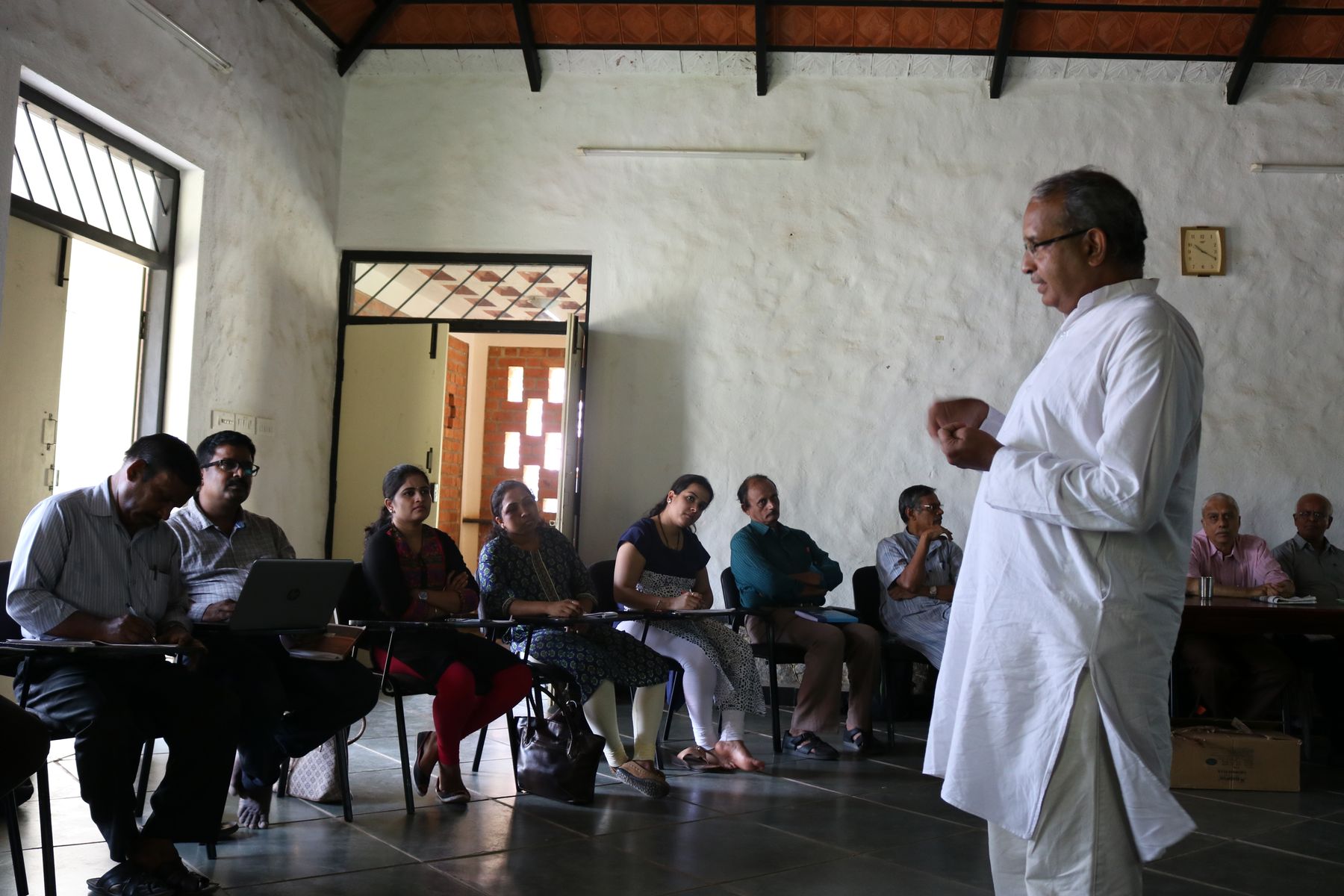
What this means for rural livelihoods
Farming must become more productive and resilient
Farmers need practices and technologies that improve productivity while using natural resources responsibly and managing increasing risks.
Access must lead to productive opportunity
Finance, information and services matter most when people have the knowledge and capability to use them effectively.
Rural livelihoods need more than farming alone
Enterprise, skills and market opportunities can create additional and complementary sources of income.
Collective action matters
People and producers can achieve more when they have effective ways to organise, participate and engage with markets and institutions.
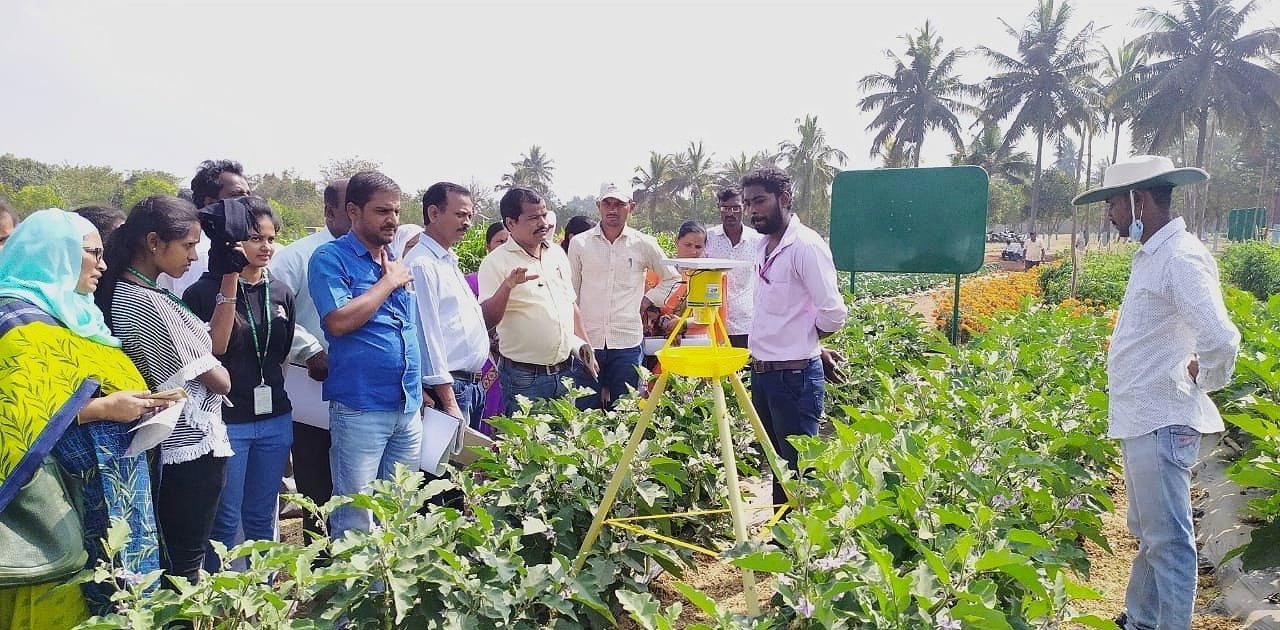
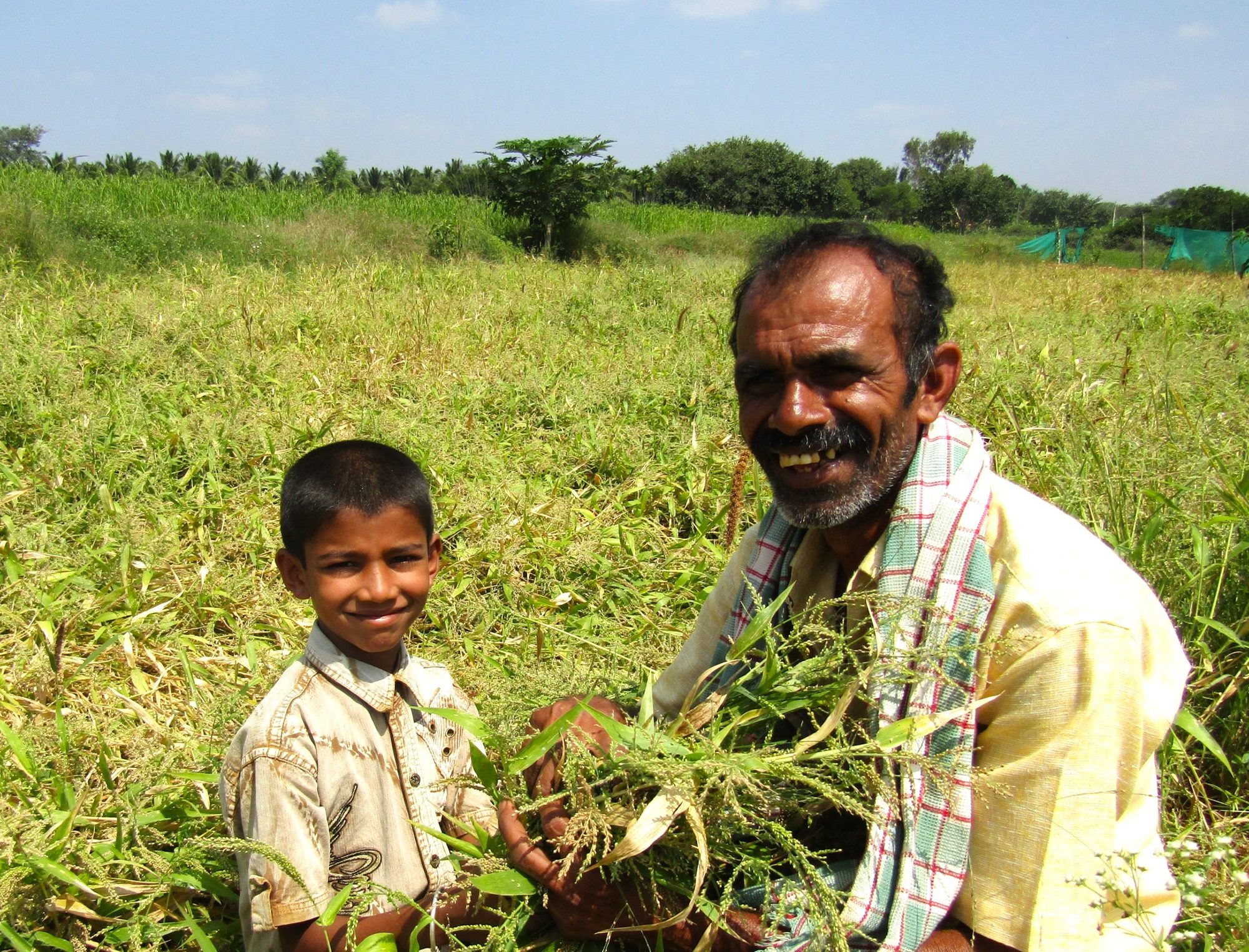
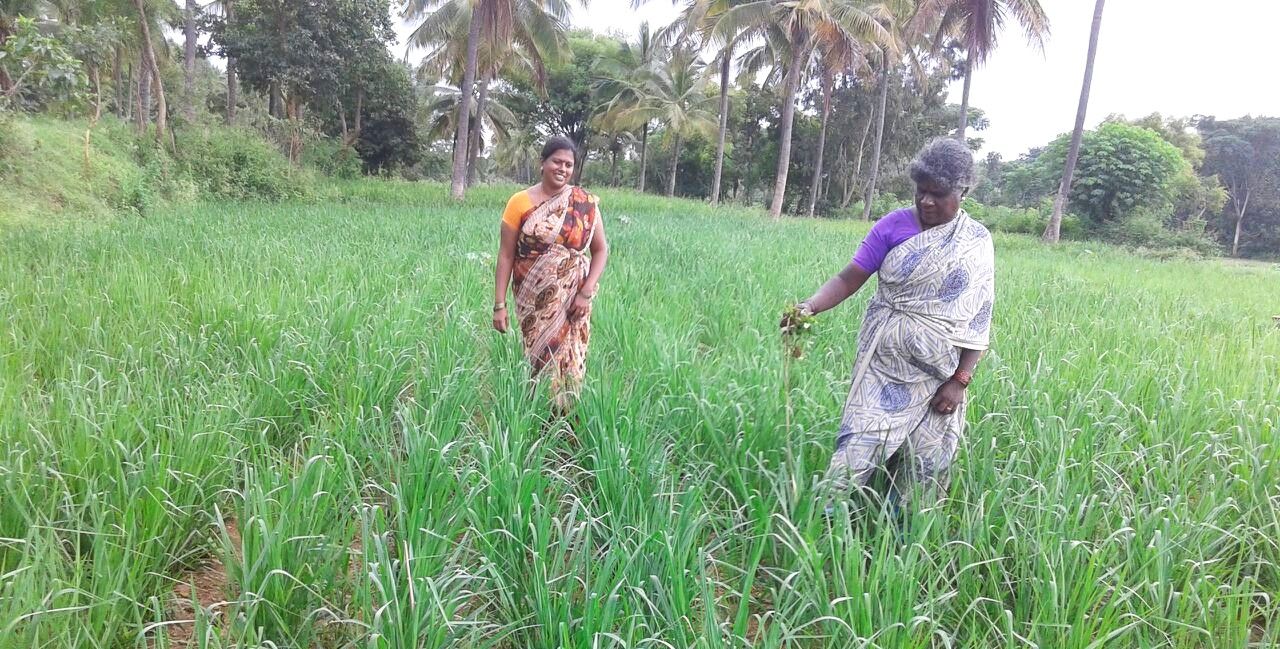
The challenge is not to address every problem at once.
It is to understand which constraints matter most in a particular context and build practical responses around them.
That is where development work must begin.